I live comfortably now, but my journey here was anything but ordinary. I was born to impoverished parents in a rural village in India in 1974, and the story passed down to me is that they perished in a flood. Yet, the details remain uncertain, and I continue to seek the truth.
What I do know is this: in April of 1978, I was brought to Mother Teresa’s Missionaries of Charity (MOC) in Delhi and was given the name ‘Elizabeth’. How I arrived, and under what circumstances, is still a mystery. The records tell a simple yet profound story:
“She is from unknown parents and was abandoned at the gates of MOC. She has three sisters, but their whereabouts are unknown. She is outgoing and a lovely little girl.”
Fast forward to January 1979 when flew into Boston’s Logan airport, where I was adopted by two remarkable people—kind, selfless, and truly committed to building a family through love. My mother had dreamed of adopting since she was a teenager, and my parents embraced the opportunity wholeheartedly. They already had one daughter, who was thrilled to welcome a sister, a playmate of the same age, and an instant best friend. She taught me English quickly, shared her toys (even when it wasn’t easy at five years old!), and helped me settle into my new world so seamlessly that I was ready for Kindergarten by September.
Becoming an American girl meant gaining a new identity, a new home, and boundless opportunities—but it also meant losing my mother tongue and, over time, much of my Indian heritage. The foods, the music, the colors, the traditions, and even the religion that once surrounded me faded into the background as I grew up in a predominantly white world.
I had the chance to return to India in the summer of 1988, just before high school, even visiting MOC where my journey began. But at the time, I was a typical fourteen year old girl—more preoccupied with my American comic book, watching MTV and thinking about my friends back home than reconnecting with my roots.
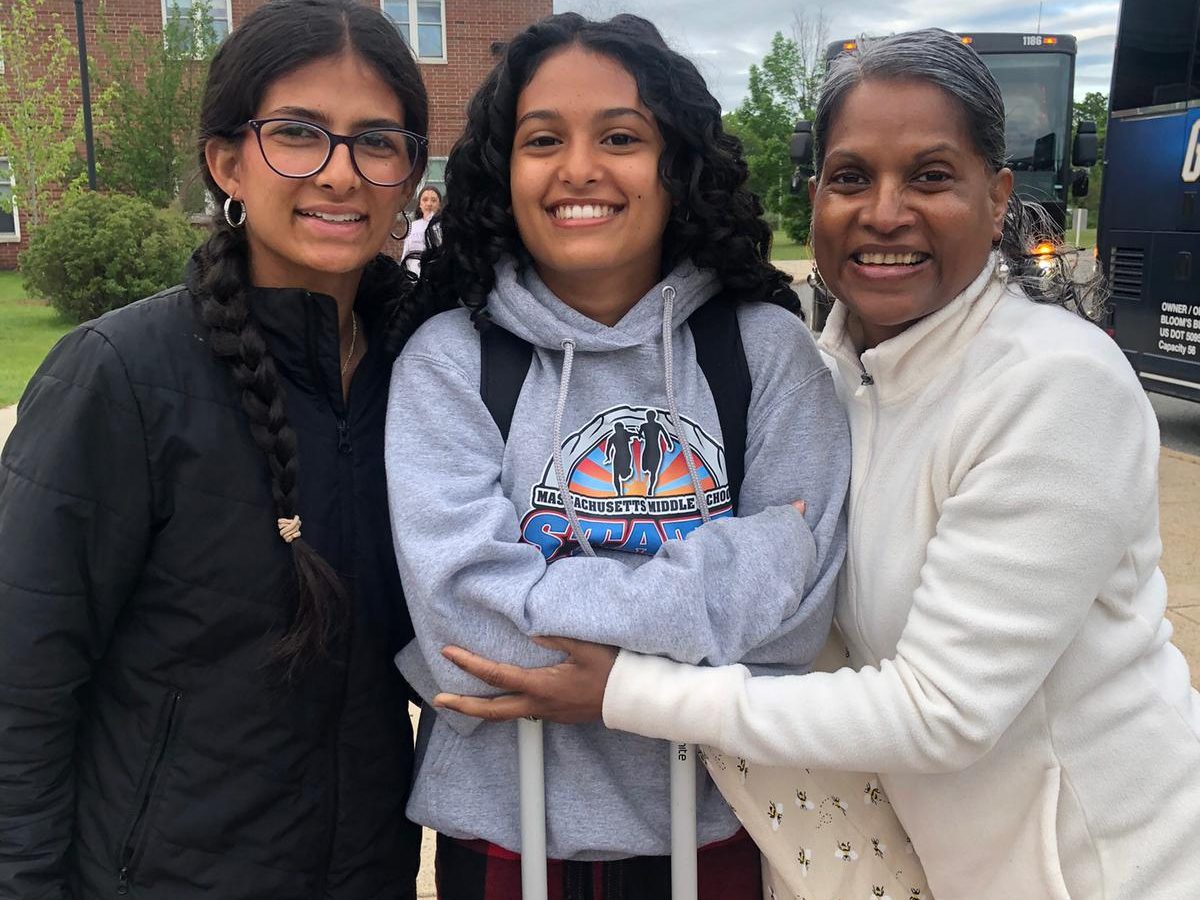
Through the years, my connection to India slowly resurfaced. As a teenager, I explored my heritage in small ways—through Indian restaurants, fleeting conversations, and moments of curiosity. In my twenties, I was open to explore my original heritage through meeting other Indian people. I embraced my Indian culture, learning, rediscovering, and now passing my heritage down to my teenage daughters, ensuring they grow up with a deeper understanding from where they came.
Now, I stand at the threshold of something magical and profound. I am eager to return to Sahebganj district in Jharkhand, the birthplace I never truly knew, in search of answers. In search of my history, my lost identity. In search of my three sisters, whose stories remain unwritten.
Life has given me many opportunities, but it has also left me with questions—and I am determined to find answers.
 maidenindiafilm.com